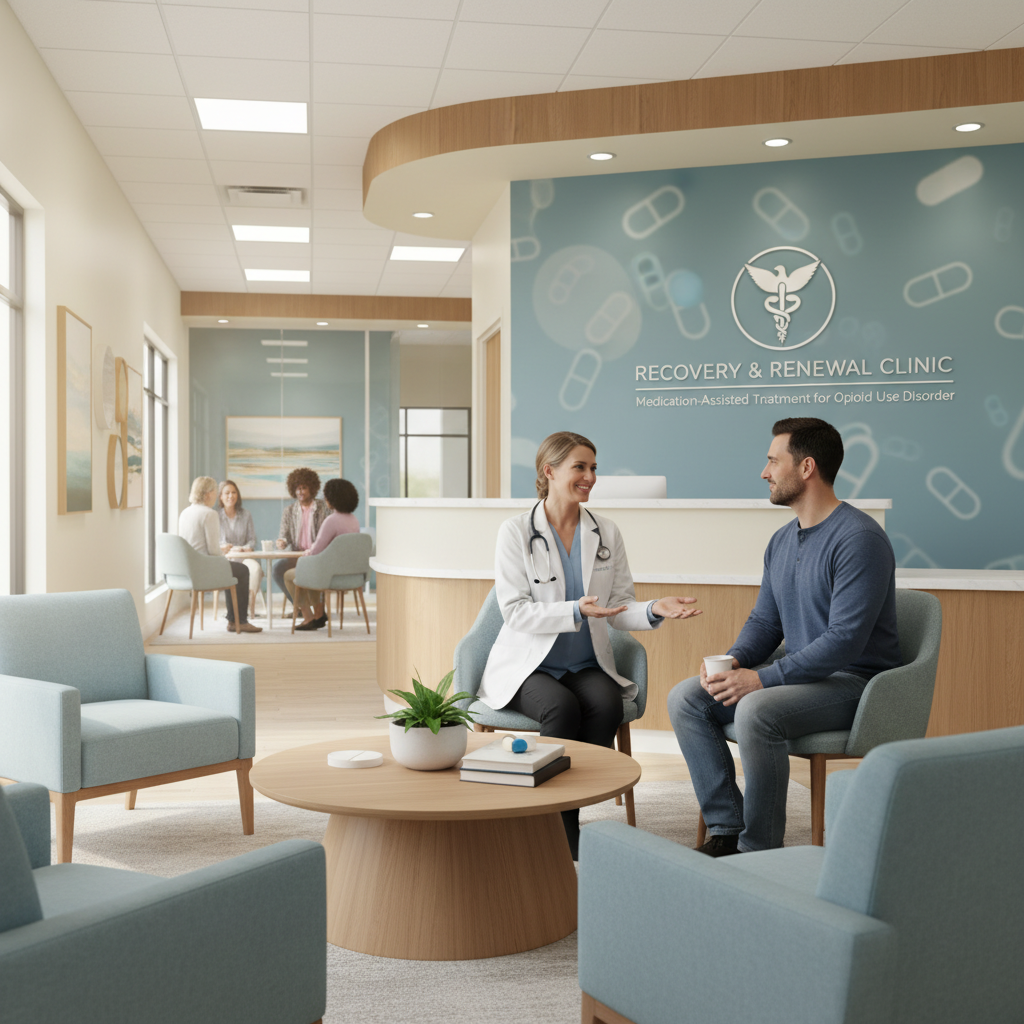
Medication assisted treatment, or MAT, has changed what recovery from opioid and fentanyl addiction can look like. A mat clinic for opioid use disorder gives you access to FDA approved medications, ongoing medical supervision, and counseling in an outpatient setting so you can stabilize without putting your entire life on hold.
If you are looking for a structured, insurance friendly option that helps you feel physically and emotionally steady enough to rebuild your life, understanding how MAT clinics work can help you decide your next step.
What a MAT clinic for opioid use disorder does
A MAT clinic for opioid use disorder combines medication, counseling, and regular medical follow up to treat addiction as a chronic medical condition rather than a moral failure. According to the Illinois Department of Public Health, MAT uses medications that normalize brain chemistry, block the euphoria from opioids, and ease cravings and withdrawal without producing a high [1].
In a typical outpatient MAT setting you can expect:
- A medical assessment and diagnostic evaluation
- A personalized medication plan using buprenorphine, methadone, or naltrexone
- Regular visits for check ins, dose adjustments, and prescription renewals
- Individual or group counseling and recovery planning
- Ongoing monitoring for safety, side effects, and progress
This combination is why MAT is often referred to as an evidence based opioid treatment. It addresses both the biology of addiction and the habits, emotions, and stressors that keep the cycle going.
How MAT medications work in the brain
Each MAT medication works a little differently, but the goal is the same: reduce withdrawal and cravings, block the high from opioids, and help you regain stability.
Methadone
Methadone is a full opioid agonist that activates the same receptors as heroin or fentanyl but does so more slowly and steadily. The National Institute on Drug Abuse notes that methadone reduces withdrawal and cravings with less intense pleasure than illicit opioids and has been used safely for more than 50 years [2].
In the United States you usually receive methadone at a specialized opioid treatment program where you may go daily at first, then gradually earn take home doses as you stabilize. Some clinics integrate methadone within a broader outpatient opioid treatment program to help you maintain work or family responsibilities.
Buprenorphine and Suboxone
Buprenorphine is a partial opioid agonist. It activates opioid receptors but only up to a limit, which lowers overdose risk and lessens euphoria. It also blocks other opioids from attaching, which reduces the effects if you use while on the medication [2].
Suboxone is a common brand that combines buprenorphine with naloxone to discourage misuse. Because buprenorphine can be prescribed in office based settings and via telehealth, a dedicated suboxone treatment clinic or buprenorphine treatment program is often one of the most flexible MAT options if you need to keep working or caring for family.
Naltrexone and Vivitrol
Naltrexone is an opioid antagonist. It does not activate opioid receptors at all. Instead it blocks them so you do not feel the usual pleasure from opioids and cravings are reduced. The extended release injection form, often known by the brand Vivitrol, is given once a month and is not addictive [2].
Naltrexone typically requires you to be completely off opioids for 7 to 10 days before starting, which can be challenging. If you are interested in a non opioid option, a clinic that offers naltrexone treatment for opioid addiction can help you decide whether this route fits your situation.
Why MAT is not “replacing one addiction with another”
One of the most persistent myths about MAT is that taking methadone or buprenorphine is the same as being addicted to opioids. That is not accurate.
The Illinois Department of Public Health stresses that medications used in MAT do not produce a high when taken as prescribed and instead restore brain balance, similar to how insulin treats diabetes or medications manage high blood pressure [1]. You may develop physical dependence, which is expected, but that is different from the uncontrolled, compulsive use that defines addiction.
Research supports this distinction. Methadone and buprenorphine have been shown to cut overdose risk by about 50 percent compared to no treatment [3]. These medications reduce risky use and improve health, employment, and social outcomes instead of disrupting your life.
A well run medication assisted treatment program will talk with you openly about these concerns and help you weigh benefits and trade offs for your goals.
Outpatient MAT vs inpatient rehab
If you are comparing a mat clinic for opioid use disorder to inpatient rehab, it can help to think about how much structure and medical monitoring you need right now.
In outpatient MAT you:
- Live at home, in sober housing, or with family
- Attend the clinic several times a week at first, then less often as you stabilize
- Receive medication, counseling, and check ins on a scheduled basis
- Continue to work, attend school, or care for loved ones
In inpatient or residential treatment you:
- Live on site 24 hours a day for a set period
- Have constant monitoring and structured schedules
- Often start medications but transition to outpatient MAT after discharge
Outpatient works well if you have a relatively stable living situation, can travel safely to appointments, and want a longer term, flexible approach. An outpatient MAT program or structured outpatient opioid treatment can also step up or down in intensity as your needs change.
If you are unsure which level of care is right for you, an independent assessment with a clinician experienced in substance use disorders is recommended [4].
MAT for fentanyl and high potency opioid use
Fentanyl has made opioid use more dangerous, but it has not made MAT ineffective. Clinics that specialize in fentanyl and prescription opioid misuse use the same core medications, just with more careful induction and dose adjustments.
A fentanyl addiction treatment program may:
- Start buprenorphine at lower initial doses and titrate slowly to avoid precipitated withdrawal
- Use methadone when fentanyl use is heavy and long term
- Offer a fentanyl detox outpatient program combined with close monitoring and rapid follow up care
- Integrate overdose education and naloxone (Narcan) access for you and your family
Centers like New Season in Huntsville, Alabama, for example, treat addiction to fentanyl, heroin, and oxycodone by combining MAT with individual, group, and family counseling, and highlight methadone maintenance as particularly effective for severe opioid dependence [5].
Safety, oversight, and legal protections in MAT
Safety monitoring is built into MAT. At a clinical opioid addiction program you can expect regular vitals checks, medication reviews, urine drug screens, and attention to side effects. This is especially important if you have co occurring medical conditions or take other prescriptions.
The Americans with Disabilities Act also protects you from discrimination based on receiving medications for opioid use disorder. The National Association of Counties notes that denying accommodations to people on MAT can expose criminal justice systems, employers, and healthcare providers to legal action [3]. Knowing your rights can make it easier to continue treatment while working, parenting, or dealing with the court system.
If you live in a rural area or a region with limited MAT capacity, technical assistance programs like the Opioid Response Network and Rural Communities Opioid Response Program are working to expand services [3]. Some clinics now also offer telehealth visits for buprenorphine to reduce travel time and wait lists.
How therapy and support fit into MAT
Medication is one pillar of recovery, not the entire structure. Evidence based guidelines recommend combining methadone, buprenorphine, or naltrexone with behavioral therapies at every level of care, from outpatient to residential treatment [4].
In a medication assisted recovery program you may take part in:
- Individual counseling to address trauma, grief, anxiety, or depression
- Group therapy to learn coping skills and reduce isolation
- Family sessions to rebuild trust and communication
- Peer support groups focused on living in recovery while on medication
If you live with both addiction and a mental health condition, a dual diagnosis MAT program is especially important. Treating mood, anxiety, or trauma symptoms alongside opioid use gives you a better chance of sustained stability.
What to expect during opioid withdrawal treatment with medication
If you are still using opioids, you may be worried about withdrawal. MAT does not mean you have to suffer through it unmedicated.
An opioid withdrawal treatment with medication plan often includes:
- Assessment of what you are using, how often, and your past withdrawal experiences
- Short term comfort medications for symptoms such as nausea, diarrhea, anxiety, and insomnia
- Starting methadone or buprenorphine at the right point in your withdrawal timeline to avoid worsening symptoms
- Close monitoring during the first days or weeks so your dose can be adjusted quickly
For fentanyl and high dose opioid use, outpatient detox programs often schedule more frequent visits or check ins, then transition you into ongoing MAT so you do not finish detox and immediately face cravings without support.
How long you may stay on MAT
Opioid use disorder is a chronic condition. Most people benefit from staying on MAT for an extended period rather than stopping as soon as they feel better.
The National Institute on Drug Abuse reports that less than 20 percent of people with opioid use disorder in the United States receive FDA approved medications despite their effectiveness, and that staying in treatment for longer improves outcomes [2]. Some remain on methadone or buprenorphine for several years or longer. Others taper off slowly when their life is more stable, they have strong supports, and they feel ready.
A clinic focused on MAT for long term recovery will not rush you. Instead, your team will review progress regularly, discuss your preferences, and if you do choose to taper, will do it gradually with a clear relapse prevention plan.
Relapse prevention and long term support
Relapse is a risk with any chronic illness, but you can prepare for it. An effective opioid relapse prevention program within a MAT clinic might help you:
- Identify your personal triggers, such as stress, grief, certain places, or people
- Practice skills like urge surfing, delay and distract, grounding, and reaching out instead of using
- Develop a step by step plan for what you will do if cravings spike or you lapse
- Keep Narcan available for you and those around you
Because methadone and buprenorphine already reduce cravings and withdrawal, the combination of medication and a solid relapse prevention plan gives you a stronger safety net than either alone.
Insurance, cost, and access to MAT clinics
If you are concerned about paying for treatment, you are not alone. There is high demand for MAT across the country and not enough capacity in many areas, leading to long driving distances, insurance barriers, and wait lists [3].
When you contact a clinic, you can ask:
- Do you accept my insurance plan or Medicaid
- Do you offer an insurance covered MAT program or sliding scale fees
- Which medications do you provide on site
- How often will I need to come in at first and later on
Some community mental health centers and public programs, such as StarCare’s MOUD clinic in Lubbock, Texas, provide methadone and other MAT services with early morning hours to accommodate work schedules and sliding fee scales [6].
If you cannot find a methadone program near you, remember that buprenorphine and naltrexone can be prescribed by many outpatient clinicians, including in primary care. The FDA also runs a “Prescribe with Confidence” campaign to encourage more providers to screen and treat opioid use disorder in regular medical settings [7].
FAQs about MAT clinics for opioid use disorder
Am I a good candidate for a MAT clinic for opioid use disorder
You may be a strong candidate if:
- You are using heroin, fentanyl, or prescription opioids and want to stop
- You have tried to quit on your own and found withdrawal or cravings too difficult
- You want a structured plan that still allows you to live at home and work
- You have overdosed in the past or are worried about overdose
- You live with depression, anxiety, PTSD, or other mental health conditions that worsen your use
A clinical opioid addiction treatment provider can evaluate your medical and psychiatric history and help you choose between methadone, buprenorphine, or naltrexone.
How quickly will I feel better after starting MAT
Many people notice relief from the worst withdrawal symptoms within the first day or two on buprenorphine or methadone. Cravings and sleep often improve over the first week. Emotional stability and rebuilding your daily routines can take longer, which is why regular visits and counseling are important.
With injectable naltrexone you need to be opioid free first, but once started, many people notice reduced cravings over the following weeks.
Can I be on MAT if I am pregnant or breastfeeding
Yes. Treatment with methadone or buprenorphine is recommended and safe for pregnant women with opioid use disorder. Buprenorphine is associated with better infant outcomes, including lower rates of neonatal withdrawal and low birth weight. These medications are also safe during breastfeeding [2].
If you are pregnant, a clinic experienced in perinatal MAT will coordinate closely with your obstetric provider.
Will MAT show up on drug tests
Methadone and buprenorphine can show up on specific tests designed to detect them, but most standard employment drug screens look for non prescribed opioids, not MAT medications. If you are concerned about workplace or legal issues, staff at your medication assisted treatment program can help you understand your rights and, when needed, provide documentation that you are in prescribed treatment.
Taking your next step toward recovery
Finding a mat clinic for opioid use disorder is about more than getting a prescription. It is about choosing a structured, clinically grounded path that gives you:
- Medication to stabilize your body and brain
- Counseling to address what drives your use
- Ongoing monitoring to keep you safe
- Support to build a life where opioids are no longer at the center
Whether you are interested in a suboxone therapy program, a methadone focused outpatient opioid treatment program, or naltrexone as part of a broader opioid addiction medication treatment, you do not have to navigate this alone.
Reaching out to a MAT clinic for an initial assessment can be a practical, concrete step toward the stability and safety you have been looking for.