
What evidence based opioid treatment means
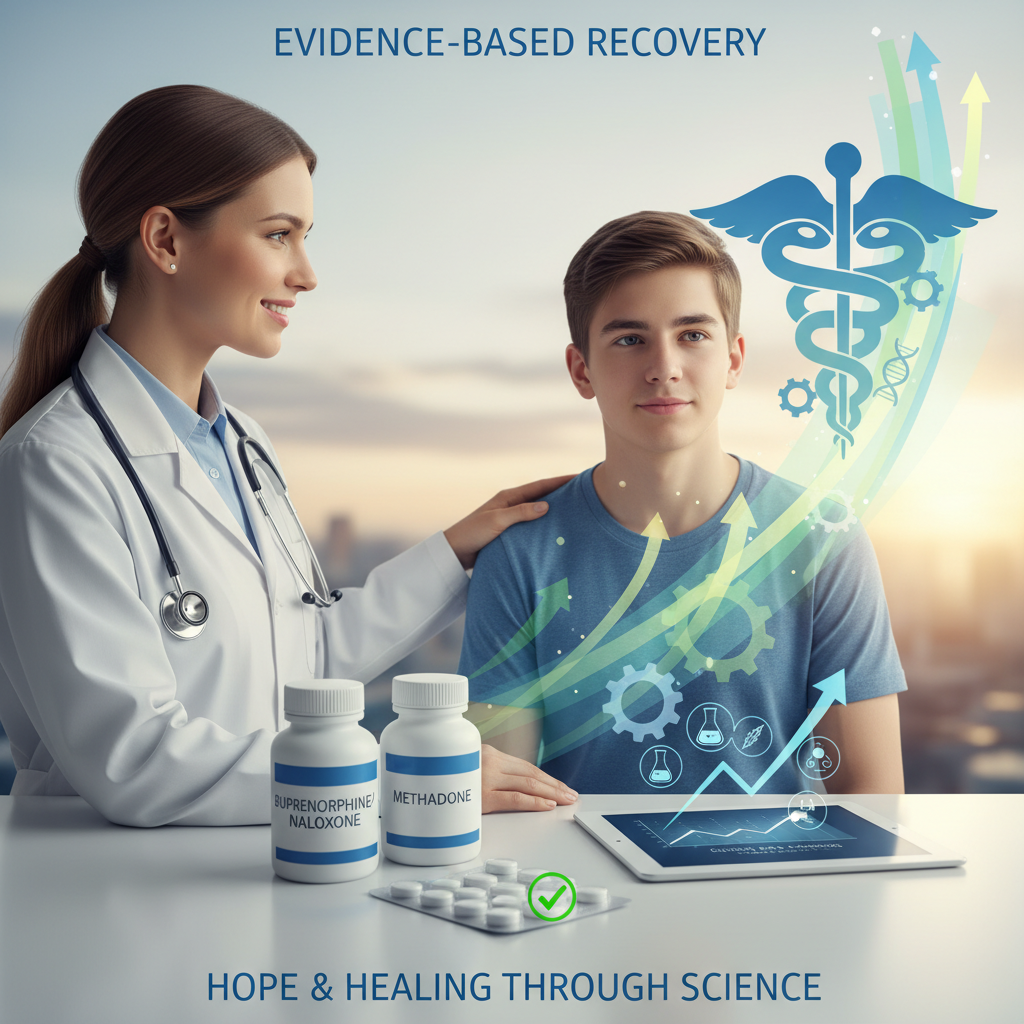
When you hear the term evidence based opioid treatment, it refers to care that has been rigorously studied and shown to be safe and effective for opioid use disorder, including fentanyl. It is not guesswork or quick fixes. It is treatment grounded in large clinical trials, long term follow up, and national guidelines from organizations like the FDA, NIDA, SAMHSA, ASAM, and the CDC.
For opioid and fentanyl addiction, the strongest evidence supports a combination of:
- FDA approved medications for opioid use disorder
- Structured outpatient care and monitoring
- Counseling and behavioral therapies
- Ongoing relapse prevention and support
This approach is often called Medication Assisted Treatment or MAT. In a modern medication assisted treatment program, you receive both medical support and counseling, so you are not expected to get better on willpower alone.
Why medications are central to evidence based care
What the research shows
Over 6.1 million people aged 12 or older in the United States are estimated to have an opioid use disorder, which shows how widespread the problem has become [1]. To address this, the FDA has approved three core medications for opioid use disorder:
- Methadone
- Buprenorphine
- Naltrexone
These medications have been shown to reduce opioid use, withdrawal symptoms, and cravings without producing the intense pleasure associated with opioids [2]. SAMHSA also recognizes methadone, buprenorphine, and naltrexone as evidence based options that correct chemical imbalances in your body and relieve withdrawal and psychological cravings [3].
Medication for opioid use disorder has also been shown to reduce overdose risk, improve treatment retention, and lower rates of infectious diseases such as HIV and hepatitis C [4].
Why MAT is often safer than abstinence only
Stopping opioids suddenly without medication can feel like “ripping the bandage off,” but the evidence shows this approach often leads to relapse, increased overdose risk, and unnecessary suffering. National guidelines emphasize that long term prescription opioid use carries significant risks including opioid use disorder, overdose, and death, and that treatment should be individualized and evidence based, not driven by rigid rules [5].
If you have a moderate to severe opioid or fentanyl use disorder, medication is usually not “optional extra help.” It is a central tool that improves your odds of stabilizing, staying in treatment, and rebuilding your life.
Types of evidence based opioid medications
Each FDA approved medication works differently. The right choice for you depends on your health history, patterns of use, and goals. Your provider in a clinical opioid addiction treatment program will help you decide.
Methadone
Methadone is a long acting opioid agonist. It activates opioid receptors in a controlled way, prevents withdrawal, and reduces cravings.
Key points:
- You receive methadone through a federally regulated opioid treatment program
- Early on you usually visit daily or near daily for supervised dosing
- Stable patients can often receive take home doses, and since 2020, some patients have been allowed up to 28 days of take home medication, which research has found to be safe and linked to better treatment retention [2]
Methadone is highly effective, but it is usually delivered in specialized clinics, not general outpatient settings.
Buprenorphine and Suboxone
Buprenorphine is a partial opioid agonist. It attaches strongly to opioid receptors, eases withdrawal, and lowers cravings, but it has a “ceiling effect” that reduces overdose risk.
Suboxone is a common brand that combines buprenorphine with naloxone to discourage misuse. You might receive buprenorphine in several forms through a buprenorphine treatment program or suboxone treatment clinic:
- Daily tablets or films under the tongue or inside the cheek
- Long acting injections given monthly
- In some cases, implants that release medication over time
Since the COVID 19 pandemic, buprenorphine can be prescribed by many healthcare providers, including through telehealth, which has opened the door to easier access and faster treatment initiation, even in emergency departments after an overdose [2].
If you are looking for flexible, structured outpatient care, suboxone therapy program options are usually a leading choice.
Naltrexone
Naltrexone is an opioid antagonist. It blocks opioid receptors instead of activating them. You do not feel high or sedated on naltrexone, and if you use opioids while taking it, you will not experience the usual effects.
Naltrexone is available in:
- Daily oral tablets
- A monthly injectable form, often used in a naltrexone treatment for opioid addiction program
Important considerations:
- You must be completely off opioids for 7 to 10 days before starting naltrexone to avoid sudden, severe withdrawal [2]
- Research is underway to develop faster and more comfortable ways to start naltrexone [2]
Naltrexone can be a good fit if you cannot or do not want to take opioid based medications such as methadone or buprenorphine, and you are able to complete detox safely first.
How outpatient MAT for opioid and fentanyl use disorder works
Structured but flexible care
If you are looking for help and want to stay at home, an outpatient opioid treatment program or outpatient mat program is designed to give you medical care, counseling, and accountability while you continue work, school, and family responsibilities.
A typical structured outpatient opioid treatment pathway might look like this:
-
Assessment
You complete a thorough medical and psychological evaluation. Your provider reviews your opioid and fentanyl use history, past treatment attempts, co occurring mental health concerns, and medical conditions. This step helps determine whether outpatient care is safe for you. -
Medication induction and stabilization
You begin an opioid addiction medication treatment plan with buprenorphine, methadone, or naltrexone. For buprenorphine and Suboxone, your provider usually waits until you are in mild to moderate withdrawal before starting, then adjusts the dose over several days to relieve symptoms and cravings. -
Ongoing medical monitoring
In a mat clinic for opioid use disorder, you have regular check ins, urine drug screens, and medication reviews. This monitoring is not about punishment. It is about catching problems early and adjusting your plan when needed. -
Therapy and recovery support
Counseling is not optional add on care in evidence based opioid treatment. It is a central part of a medication assisted recovery program. You work individually and in groups to build coping skills, address trauma, manage stress, and repair relationships. -
Relapse prevention and long term planning
As you become more stable, your team helps you build a mat for long term recovery plan. This might include ongoing medication, step down in visit frequency, or additional supports such as peer recovery coaching or support groups. Many people benefit from an opioid relapse prevention program to keep progress on track.
Integrating therapy with medication
Medication Assisted Treatment is most effective when combined with counseling and behavioral therapies [3]. Evidence based programs often include:
- Cognitive Behavioral Therapy to change thinking patterns that lead to use
- Motivational interviewing to strengthen your own reasons for change
- Trauma informed therapy when past events continue to affect your choices
- Family or couples counseling when relationships have been strained
Research shows that combining medication with psychosocial interventions improves engagement and reduces relapse risk, although many communities still lack enough specialized counseling for opioid use disorder [4].
If you have depression, anxiety, PTSD, or other mental health conditions along with opioid use disorder, a dual diagnosis mat program helps treat both together. This integrated approach is a key part of modern, evidence based care.
Addressing fentanyl specifically
Fentanyl is extremely potent, fast acting, and often mixed into other drugs without your knowledge. This increases overdose risk and can make withdrawal feel more intense. An evidence based fentanyl addiction treatment program or fentanyl detox outpatient program takes these realities into account.
In practice this means:
- Slower and more cautious buprenorphine induction when needed to reduce the risk of precipitated withdrawal
- Careful monitoring for lingering withdrawal symptoms
- Extra emphasis on overdose education and naloxone access
- A strong focus on relapse prevention, because even a small slip can be life threatening with fentanyl in the drug supply
If you are using fentanyl daily, outpatient care can still be an option in many cases, especially with close medical oversight and family or social support. Your treatment team will help determine the safest level of care.
Safety, monitoring, and overdose prevention
Medical oversight and guidelines
National practice guidelines from ASAM and other organizations were developed using rigorous review methods to help clinicians offer evidence based opioid treatment and improve outcomes [6]. These guidelines emphasize:
- Careful assessment before prescribing
- Regular monitoring during treatment
- Adjusting the plan based on your response
- Avoiding one size fits all rules that could harm patients [5]
Your outpatient team follows these standards so you receive safe, individualized care, not just a prescription and a quick goodbye.
Prescription monitoring and risk reduction
Many programs use state Prescription Drug Monitoring Programs to review controlled substance prescriptions and identify risks early. PDMPs are an important tool in reducing overdose deaths and guiding safer opioid prescribing [4].
You can expect your provider to:
- Review your medication list for dangerous combinations
- Educate you and your family about overdose risk and naloxone
- Help you create a safety plan if you feel at risk of returning to use
Access, insurance, and equity
Despite the strength of the evidence, fewer than 20 percent of people with opioid use disorder receive these medications, including during pregnancy and breastfeeding. Many barriers are logistical, financial, or related to stigma [2].
Evidence based efforts at the national level focus on:
- Expanding access to medications in primary care settings [1]
- Supporting providers to screen for and manage opioid use disorder like other chronic conditions such as asthma or diabetes [1]
- Addressing disparities in pain and addiction treatment across race, ethnicity, gender, and geography [5]
- Increasing medication use in criminal justice and tribal settings through targeted grants and guidelines [3]
On a personal level, you may be able to use an insurance covered mat program so the cost of care is significantly reduced. If you are unsure what your plan will cover, staff in a medication assisted treatment program can often help you verify benefits and explore options.
Evidence based opioid treatment is not about trading one addiction for another. It is about using well studied medications and therapies to stabilize your brain, reduce harm, and give you space to build a life that feels worth protecting.
Common questions about evidence based opioid treatment
Will I go through withdrawal before starting treatment?
In most cases, yes, you experience at least mild withdrawal before starting buprenorphine or Suboxone. This is necessary because starting too early can trigger sudden worsening of withdrawal. However, your provider in an opioid withdrawal treatment with medication program closely times and manages this process so symptoms are as tolerable as possible.
With methadone, induction usually starts while you are still having withdrawal symptoms, and the dose is carefully adjusted over several days. For naltrexone, you must already be completely off opioids for 7 to 10 days to avoid precipitated withdrawal [2].
How long will I need medication?
There is no fixed timeline that fits everyone. Evidence and national guidelines emphasize that treatment duration should be individualized and that stopping medication too soon can increase relapse and overdose risk [5].
Many people stay on buprenorphine or methadone for years. Some transition to naltrexone or eventually taper off all medication under close supervision. Your mat for long term recovery plan is based on your stability, support system, and comfort level, not on arbitrary deadlines.
Am I a candidate for outpatient MAT?
You may be a good fit for an outpatient mat program if:
- You are using opioids or fentanyl regularly and want to stop
- You are medically stable and do not require 24 hour monitoring
- You have a safe living situation or support system
- You can attend regular appointments and follow a plan
If you are unsure whether outpatient or inpatient is safer, a clinical opioid addiction treatment team can assess you and make a recommendation. Some people start with higher intensity care, then step down to an outpatient opioid treatment program as they stabilize.
Does MAT just replace one drug with another?
This is a common concern and one of the belief barriers that still limits medication use in many treatment centers [7]. The research is clear, however, that medications like methadone and buprenorphine are not simply substitutes.
They:
- Do not create the same rapid, intense highs as other opioids
- Are taken in controlled doses with medical supervision
- Lower overdose risk and craving
- Help you function normally in work, relationships, and daily routines [2]
In other words, they support recovery instead of fueling addiction.
Taking your next step
If you are ready to explore evidence based opioid treatment, you do not have to make every decision alone. A mat clinic for opioid use disorder or suboxone treatment clinic can walk you through:
- Which medication options fit your history and goals
- Whether you qualify for a structured outpatient opioid treatment plan
- How to use your benefits through an insurance covered mat program
- How to combine medication with counseling in a medication assisted recovery program
Reaching out for help is not a commitment to any one path. It is a conversation about what you want your life to look like, and how evidence based care can support you in getting there.