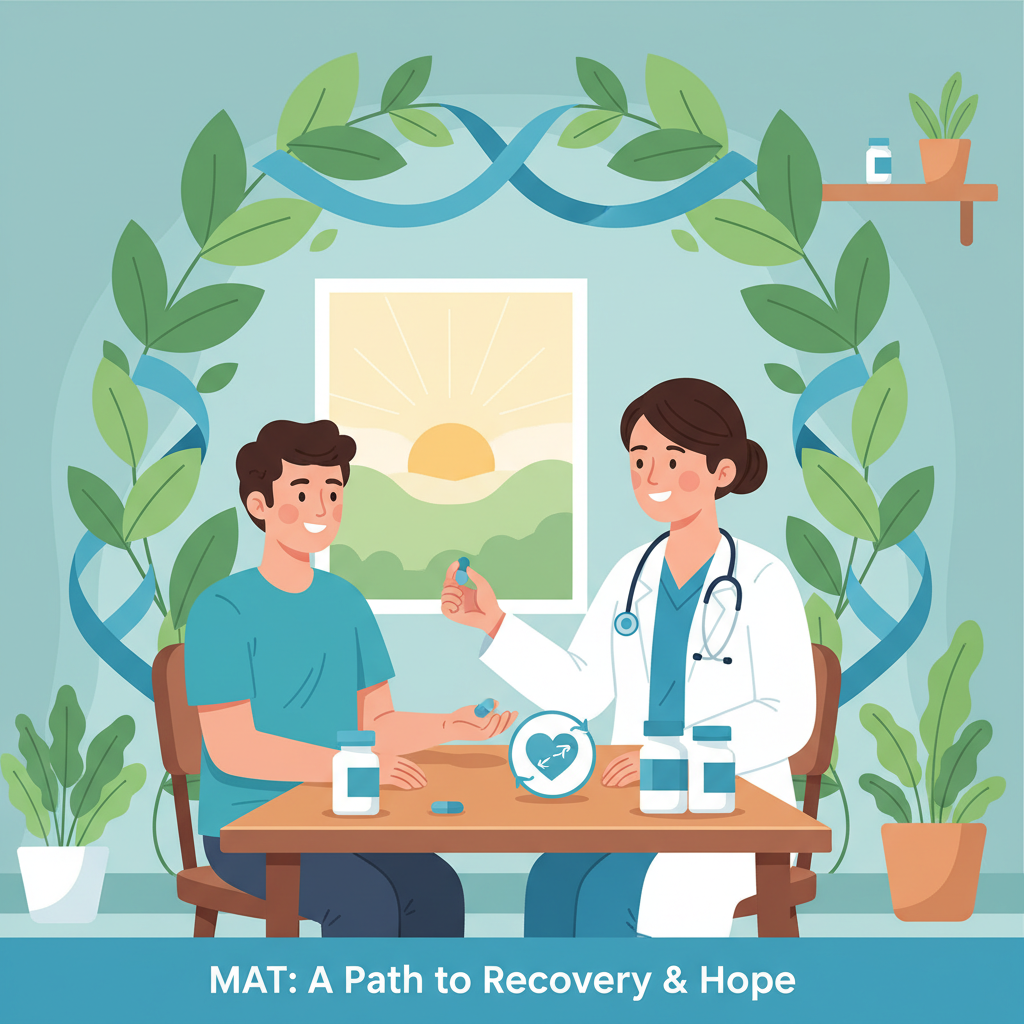
What a medication assisted treatment program really is
If you are searching for a medication assisted treatment program, you may be hearing a lot of mixed messages. Some people call it a “miracle,” others say it is “just trading one drug for another.” In reality, medication assisted treatment, often called MAT or MOUD (medications for opioid use disorder), is a medical approach that combines FDA approved medications with counseling and clinical support to treat opioid and fentanyl addiction.
In a medication assisted treatment program, you do not have to go away to inpatient rehab to start getting better. Outpatient MAT allows you to live at home, continue working or caring for family, and come to a clinic regularly for medication management, therapy, and recovery support. This structure can be especially important if you need an insurance covered mat program and cannot pause your whole life for residential care.
Federal agencies including SAMHSA, the FDA, and the CDC recognize MAT as the gold standard for treating opioid use disorder because it reduces illicit opioid use and overdose deaths when used correctly with counseling and monitoring [1].
How MAT actually works in your body
When you live with opioid or fentanyl addiction, the structure and chemistry of your brain change over time. You may notice that you need more to feel “normal,” that you feel sick without it, and that willpower alone is not enough to stop. A medication assisted treatment program addresses those brain changes directly.
FDA approved medications for opioid use disorder, such as buprenorphine, methadone, and naltrexone, work by:
- Normalizing brain chemistry that has been disrupted by repeated opioid exposure
- Blocking or reducing the euphoric effects of opioids
- Reducing or eliminating withdrawal symptoms
- Decreasing cravings so you can focus on rebuilding your life
SAMHSA notes that these medications are safe for long term use, sometimes for months and sometimes for years or more, depending on your needs [2]. They do not “get you high” when taken as prescribed. Instead, they stabilize your system in a controlled, medically supervised way, similar to how medications are used to manage other chronic conditions like diabetes or asthma [3].
Types of medications used in MAT
A comprehensive medication assisted treatment program will help you decide which medication is the best fit for your situation. Each option has specific benefits and requirements.
Buprenorphine and Suboxone
Buprenorphine is a partial opioid agonist. This means it activates the same receptors in your brain as heroin, oxycodone, or fentanyl, but only partially and in a controlled way, which reduces cravings and withdrawal without producing a strong high. Suboxone is a common brand that combines buprenorphine with naloxone to reduce misuse.
In an outpatient mat program, buprenorphine is often used because it can be prescribed in an office-based setting and picked up at a pharmacy, which increases access to care [2]. If you are interested in this option, a suboxone treatment clinic or suboxone therapy program can provide structured dosing, monitoring, and counseling.
You might be a good candidate for a buprenorphine treatment program if you:
- Want an outpatient medication you can take at home
- Are ready to follow daily or regular dosing instructions
- Prefer a medication that allows more flexibility than daily clinic visits
Methadone
Methadone is a full opioid agonist. It fully activates opioid receptors but is taken in a controlled oral dose rather than injected or snorted, and it is dispensed through certified opioid treatment programs. Methadone has decades of evidence demonstrating its effectiveness in reducing illicit opioid use and improving treatment retention, including in very high risk settings such as jails and prisons [4].
You usually receive methadone at a specialized mat clinic for opioid use disorder rather than a standard doctor’s office. Daily supervised dosing at the clinic can be helpful if you need a high level of structure and support, especially early in recovery.
Naltrexone (Vivitrol and similar)
Naltrexone is an opioid antagonist, which means it blocks opioid receptors without activating them. It prevents you from feeling high from opioids if you use them. It does not treat withdrawal directly, so you must be fully detoxed and opioid free for a period of time before starting naltrexone.
Extended release naltrexone is usually given as a once monthly injection. This can be a good choice if you want a non opioid medication or if you are highly motivated to avoid relapse and can get through withdrawal first. A specialized naltrexone treatment for opioid addiction program can walk you through this process.
Why MAT is considered evidence based treatment
There is strong research showing that a medication assisted treatment program is more effective than non medication approaches alone for opioid and fentanyl addiction.
According to the Pew Charitable Trusts, MAT that uses methadone, buprenorphine, or naltrexone combined with behavioral therapy is the most effective intervention available for opioid use disorder in the United States, with clear reductions in illicit use and overdose deaths compared to counseling alone [5].
SAMHSA and the FDA highlight several key benefits of MAT [1]:
- Better treatment retention and lower dropout rates
- Fewer emergency room visits and hospitalizations
- Lower risk of fatal overdose
- Improved ability to work, care for family, and function in daily life
If you are looking for evidence based opioid treatment, an outpatient MAT program should be at the top of your list of options to consider.
Medication assisted treatment is not a shortcut. It is a medically validated, long term strategy that treats opioid addiction as the chronic health condition it is, rather than as a personal failure.
What to expect in an outpatient MAT program
Starting a medication assisted treatment program might feel overwhelming if you have never done treatment before. Understanding the structure can make it easier to take the first step.
Intake and assessment
Your first visits usually focus on evaluation. A clinical team will review your substance use history, physical health, mental health, and social situation. They may order lab work, check your prescriptions, and screen for co occurring disorders like depression, anxiety, PTSD, or bipolar disorder. If you have both addiction and a mental health condition, a dual diagnosis mat program can address both together.
This assessment helps the team decide:
- Which medication is safest and most effective for you
- Whether you need a higher level of care or if an outpatient opioid treatment program is appropriate
- What kind of therapy, groups, or support will help you most
Starting medication and managing withdrawal
If you are still actively using opioids, your team will create a plan for opioid withdrawal treatment with medication. This plan may include:
- A supervised buprenorphine induction, where you start Suboxone or similar medication once you are in mild to moderate withdrawal
- A referral to a methadone clinic if that medication is a better fit
- A short period of medically supported detox before beginning naltrexone, especially for fentanyl
If you use fentanyl, you may also need a fentanyl detox outpatient program or a more intensive fentanyl addiction treatment program, since fentanyl can cause complex and prolonged withdrawal. Your team will monitor your symptoms closely and adjust your dose to help you stabilize safely.
Therapy, counseling, and support
Medication alone is not considered a complete treatment. A high quality medication assisted treatment program will integrate counseling and behavioral therapies, because research shows that combining medication with therapy leads to better long term outcomes [5].
Your plan may include:
- Individual therapy focused on coping skills, trauma, and relapse prevention
- Group therapy where you can connect with others facing similar challenges
- Psychoeducation about addiction, medications, and recovery skills
- Family sessions when appropriate
These components are often built into a structured outpatient opioid treatment schedule so you have consistent support during the week.
Relapse prevention and long term planning
As you stabilize, you and your team will focus more on an opioid relapse prevention program. This usually includes:
- Recognizing your personal triggers and high risk situations
- Building up sober support networks
- Planning for work, school, and family responsibilities
- Deciding how long you may want to remain on medication
If you are focused on mat for long term recovery, your provider will help you create a step by step plan for continuing medication or, if appropriate, gradually tapering when you are stable and ready.
Safety, oversight, and how MAT protects you
Many people worry about the safety of taking a medication for addiction. Federal and state regulations require MAT programs to follow strict safety standards.
The FDA has approved buprenorphine, methadone, and naltrexone for opioid use disorder after extensive research, and these medications have been demonstrated to be safe and effective when prescribed correctly [6]. SAMHSA notes that they are also safe to use for extended periods or even a lifetime if needed [2].
In practice, safety looks like:
- Regular medical assessments and monitoring of side effects
- Urine drug testing to help guide treatment decisions
- Clear dosing instructions and education about interactions
- Adjustments if you have liver, kidney, or cardiac conditions
- Coordination with your other healthcare providers
A clinical opioid addiction treatment setting keeps your care coordinated across medical, psychiatric, and counseling services so nothing slips through the cracks.
Insurance, access, and overcoming barriers
Even though MAT is strongly supported by research, it is still underused in many parts of the United States. Pew research found that as of 2016, fewer than half of privately funded treatment programs offered MAT, and only about one third of eligible patients actually received these medications [5].
Common barriers include:
- Stigma and misconceptions about “substituting one addiction for another”
- Limited local providers offering MAT services
- Insurance restrictions and time limited coverage
- Concerns about daily clinic visits or transportation
An insurance covered mat program can help you navigate the financial side, including prior authorizations, copays, and documenting medical necessity. Some programs also offer telehealth visits, flexible hours, and low barrier care to reduce the requirements you must meet to start treatment, which aligns with SAMHSA’s recommendations for low barrier models of care [2].
If you are not sure whether your insurance will cover an opioid addiction medication treatment, you can usually request a confidential benefits check before you commit to starting care.
Common myths about MAT and the facts
You may hear conflicting opinions about medication assisted treatment. Sorting fact from myth can help you make an informed decision.
“It is just trading one addiction for another”
When you are stabilized on MAT at a therapeutic dose, you are not “high.” The medications are designed to restore balance to your brain circuits and allow you to function normally without compulsive use. The Illinois Department of Public Health compares MAT to using medication for diabetes, where the medicine addresses underlying biological issues while you work on lifestyle changes and behavior through therapy [3].
Dependence, which means your body relies on a medication, is not the same as addiction, which involves uncontrollable use and harmful consequences. In a medication assisted treatment program, your use is medically monitored and adjusted, not driven by cravings and loss of control.
“Real recovery means being totally medication free”
Recovery is not one size fits all. For some people, long term or even lifelong medication is the safest and most effective way to maintain stability and avoid overdose. Others eventually taper off as they build strong supports and coping skills. Both paths are valid and both are considered recovery.
Regulators and medical organizations, including SAMHSA, the FDA, and major professional societies, consistently recognize MOUD as first line treatment for opioid use disorder across populations, including pregnant and breastfeeding people [7].
“MAT makes it easier to relapse”
In reality, MAT reduces your relapse risk. By controlling withdrawal and cravings, you are less likely to return to dangerous levels of opioid use. Naltrexone also physically blocks opioids from creating a high, which can interrupt the typical relapse cycle. Research consistently shows that people who remain engaged in MAT have lower rates of illicit opioid use and overdose compared to those who stop or never start medication [5].
Is a medication assisted treatment program right for you?
You may be a strong candidate for MAT if you:
- Use heroin, fentanyl, prescription painkillers, or other opioids regularly
- Experience withdrawal symptoms when you try to stop
- Have tried to quit on your own or in non medication programs without success
- Worry about overdose, especially if you use alone or after a period of abstinence
- Need an outpatient solution that fits around work and family
A program focused on medication assisted recovery program can also be tailored if you are dealing with specific issues, such as:
- Long term fentanyl use and high tolerance
- Co occurring mental health disorders, addressed through a dual diagnosis mat program
- Legal or employment consequences related to your use
- Pregnancy or parenting responsibilities
If you are unsure, you can start with a confidential assessment in an outpatient opioid treatment program to discuss your history, your goals, and your comfort level with different medications.
FAQs about outpatient MAT
How long will you need to stay on medication?
Length of treatment is highly individual. Some people use MAT for 6 to 12 months, others for several years, and some indefinitely. The FDA and SAMHSA note that there is no maximum required duration. The key is whether the medication continues to help you avoid illicit use, function well, and feel stable [1].
If you and your provider decide to taper, it should be gradual and planned, not sudden. Support from your therapist and your opioid relapse prevention program becomes especially important during any taper.
Will you go through withdrawal when you start MAT?
The goal of MAT is to reduce and control withdrawal, not cause it. Your provider will usually wait until you are in mild to moderate withdrawal before starting buprenorphine so it can relieve your symptoms. Methadone is often started while you are still using, with a careful plan to transition fully to the medication. Naltrexone requires you to be fully detoxed, so some people do experience an initial withdrawal period before starting their injections.
A dedicated opioid withdrawal treatment with medication service can make this process safer and more tolerable.
What if you are using fentanyl specifically?
Fentanyl presents unique challenges because it is extremely potent and stays in your system differently than many other opioids. You might need a slower induction onto buprenorphine or a carefully monitored methadone plan. A specialized fentanyl addiction treatment program or fentanyl detox outpatient program is often the best setting to manage these complexities.
Can MAT help if you have relapsed multiple times?
Yes. Many people come to MAT after several failed attempts at abstinence based or non medication programs. MAT is designed to break that cycle by addressing the biological drivers of your addiction along with the psychological and social pieces. If you are tired of repeating the same pattern, an outpatient mat program may be a very different experience than what you tried before.
Taking your next step toward treatment
If you are living with opioid or fentanyl addiction, you are not alone, and you do not have to choose between doing nothing and going away to long term inpatient rehab. A medication assisted treatment program gives you a third option: structured outpatient care with medical support, evidence based medications, and integrated counseling that fits into your real life.
You can start by:
- Contacting a local mat clinic for opioid use disorder or outpatient opioid treatment program for an assessment
- Asking whether they offer buprenorphine, methadone coordination, and naltrexone treatment for opioid addiction
- Requesting a benefits check for an insurance covered mat program
- Discussing your concerns openly, including fears about “trading addictions” or how long you will be on medication
With the right combination of medication, therapy, and support, you can stabilize your health, lower your overdose risk, and begin to rebuild a life that is not controlled by opioids.
References
- (SAMHSA, FDA)
- (SAMHSA)
- (Illinois Department of Public Health)
- (NCBI PMC)
- (Pew Charitable Trusts)
- (FDA)
- (OASAS)