
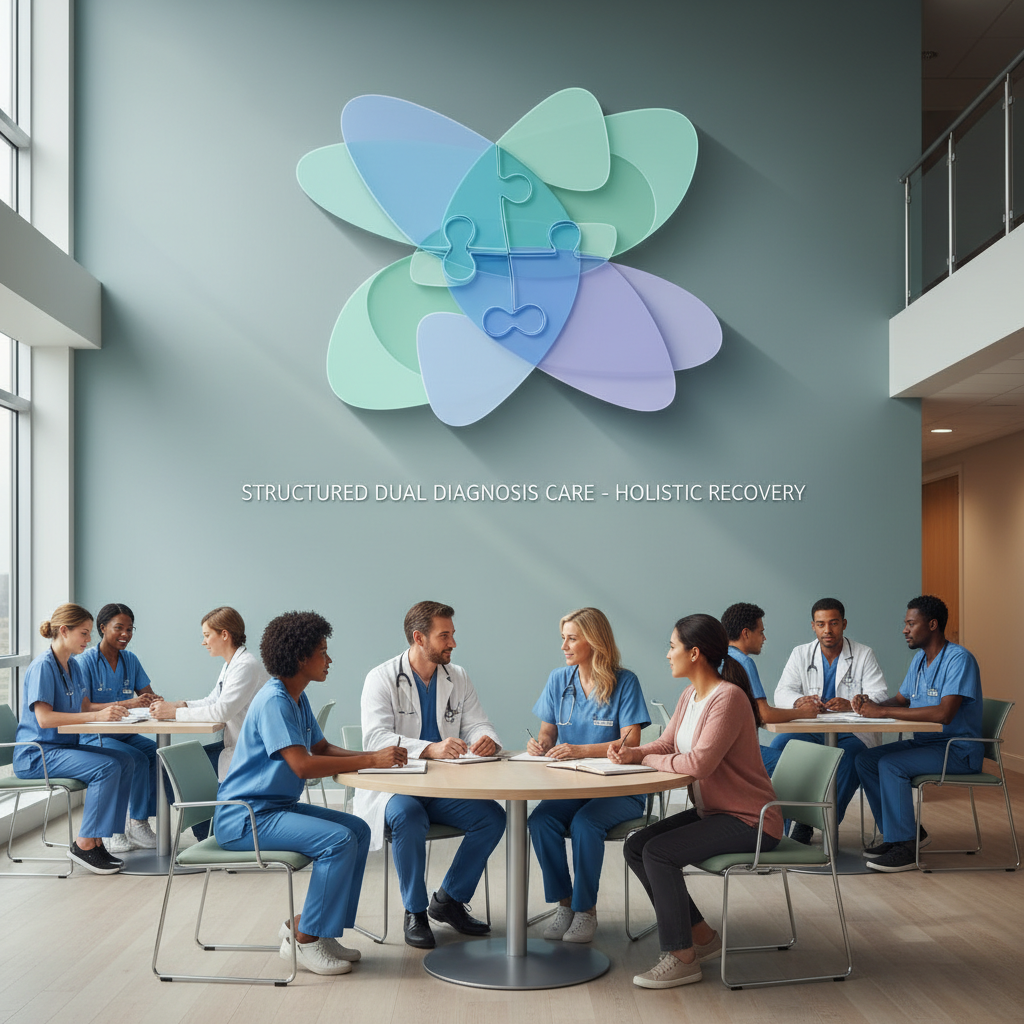
Understanding polysubstance abuse and your needs
If you are using more than one substance at the same time or in close succession, you may be dealing with a polysubstance use disorder. Cleveland Clinic describes polysubstance use disorder as having more than one substance use disorder at the same time, such as alcohol use disorder combined with tobacco or prescription drugs, and notes that it can significantly interfere with your health, functioning, and quality of life [1].
You might be mixing stimulants with alcohol, combining benzodiazepines with opioids, or rotating between different drugs depending on your stress level or mood. Over time, your brain and body adapt to this combination pattern, which can make stopping feel complicated and overwhelming.
Recognizing that you are struggling is a crucial first step. A structured polysubstance abuse treatment program can give you a clear path forward, particularly if you want to stay in your home and community rather than enter a residential facility. Outpatient care can be very effective when it is properly structured, integrated with mental health services, and tailored to your specific mix of substances and symptoms.
Outpatient versus inpatient treatment
Before you choose a polysubstance abuse treatment program, it helps to understand how outpatient treatment compares to inpatient or residential care and what makes you a good candidate for each.
When outpatient care can be a good fit
A structured outpatient drug rehab program is designed so you can receive intensive, evidence-based treatment while you continue living at home. This option may be appropriate if:
- You have a relatively stable living situation and are not in immediate danger at home
- You are medically stable enough that detox and withdrawal can be managed safely on an outpatient basis
- You can reliably attend multiple weekly therapy and psychiatry appointments
- You want to maintain work, school, or caregiving responsibilities while in treatment
In outpatient settings, you typically participate in scheduled individual therapy, group sessions, and regular sessions with a prescribing provider. Many people find this structure helps them apply what they learn in real time to daily life.
When inpatient or residential care may be safer
There are times when it is safer to begin or continue your polysubstance treatment in an inpatient setting. Inpatient or residential treatment might be recommended if:
- You are at high medical risk during withdrawal, especially if you combine depressants such as alcohol, benzodiazepines, and opioids
- You have a history of severe withdrawal symptoms, seizures, or delirium
- You are currently unstable psychiatrically, for example with active suicidality or psychosis
- Your home environment is unsafe, highly triggering, or does not support sobriety
Polysubstance withdrawal can be unpredictable and dangerous, especially when multiple substances are involved. Medical detoxification with 24/7 monitoring can significantly reduce the risk of serious complications such as dehydration or seizures [2].
You can still transition from inpatient or residential care into a structured outpatient rehab program once you are medically and psychiatrically stabilized, which often provides the best of both intensive support and real-world practice.
Why a specialized polysubstance program matters
Polysubstance patterns are different from using a single substance. Research using latent class analysis has found distinct subgroups of polysubstance use, including moderate clusters with alcohol, tobacco, marijuana, and amphetamine derivatives, and extended-use clusters involving nonmedical use of prescription drugs and other illicit substances [3].
Wide-ranging polysubstance users tend to have higher risks of psychiatric disorders, physical health issues, and cognitive difficulties, which can make treatment more complex [3]. A one-size-fits-all program often misses important parts of your picture.
A well designed polysubstance abuse treatment program will:
- Assess how each substance affects your body, mood, and thinking
- Identify how your substances interact with one another
- Address co-occurring mental health conditions such as depression, anxiety, PTSD, or bipolar disorder
- Sequence treatment so that detox, medication, and therapy are coordinated rather than fragmented
This integrated approach is essential if you have more than one substance use disorder at the same time, which Cleveland Clinic identifies as a common pattern in polysubstance use [4].
Core components of effective outpatient programs
The most effective outpatient polysubstance programs share several key elements. Understanding these components can help you evaluate whether a specific clinical addiction treatment center is equipped to meet your needs.
Comprehensive and ongoing assessment
Your care should begin with a comprehensive addiction assessment. This process usually includes:
- Detailed history of all substances you use, including frequency, amount, and route
- Medical history, current medications, and any previous detox or rehab experiences
- Mental health history, including trauma, mood, anxiety, or psychotic symptoms
- Social factors such as housing, work or school demands, relationships, and legal issues
Because your situation can change rapidly as you begin to reduce or stop use, high quality programs repeat elements of this assessment over time. This helps your team catch emerging medical issues, adjust medications, or modify your therapy plan as you progress.
Structured levels of outpatient care
Outpatient programs often exist along a continuum. You may move between levels depending on your progress, safety, and life demands. A common progression looks like this:
| Level of care | Typical structure | Focus |
|---|---|---|
| Medical detox (inpatient or outpatient) | Daily or 24/7 monitoring, medical visits, medications for withdrawal | Stabilization and safety |
| Intensive outpatient program (IOP) | 3 to 5 days per week, 3 hours per day of groups plus individual sessions | Skill building, stabilization, relapse prevention |
| Standard outpatient therapy | 1 to 3 sessions per week, individual and sometimes group | Ongoing therapy, medication management, maintenance |
| Step down and aftercare | Weekly or biweekly therapy or groups, alumni supports | Long term support and relapse prevention |
An intensive outpatient drug program typically provides a higher frequency of contact and a more structured schedule than standard outpatient care. For many people with polysubstance use, this level of structure can significantly boost early recovery success, especially when you are attending while living at home.
Evidence based therapies for polysubstance use
You benefit most when your polysubstance abuse treatment program is built around approaches that have been rigorously studied. Core methods often include:
- Cognitive behavioral therapy (CBT). Helps you identify and change thought patterns and behaviors that keep you stuck in substance use, and teaches you practical coping strategies for cravings and triggers. CBT is widely used in treatment programs and highlighted by both addiction centers and mental health providers as effective for substance use.
- Dialectical behavior therapy (DBT). Focuses on emotion regulation, distress tolerance, and relationship skills. The Lovett Center notes that DBT can be particularly valuable when you struggle with intense emotions or self harm behaviors alongside substance use [2].
- Group therapy. Provides peer support, shared problem solving, and normalization. Many people in polysubstance recovery report that hearing from others who use combinations similar to theirs helps reduce shame and isolation.
A strong program will commit to evidence based drug treatment rather than unproven or purely confrontational methods. You should feel that your therapists are using structured approaches while also adapting them to your circumstances.
Medication assisted treatment and psychiatric care
If you use opioids, alcohol, or nicotine, medication assisted treatment (MAT) may be part of your plan. FDA approved medications such as methadone, buprenorphine, and naltrexone can help stabilize brain chemistry and reduce cravings, and they often improve outcomes when combined with therapy [1].
For polysubstance use, your prescriber must pay close attention to how medications interact. The Lovett Center emphasizes that MAT for opioids or alcohol needs careful tailoring to avoid negative interactions with other substances you have used [2].
Your program should also include true psychiatric oversight if you have co-occurring mental health conditions. A drug rehab with mental health services can:
- Diagnose and treat mood, anxiety, trauma related, or psychotic disorders
- Prescribe and adjust psychiatric medications
- Coordinate treatment so that your mental health and substance use care are aligned rather than working at cross purposes
If you are dealing with stimulant or prescription medication issues, such as Adderall, benzodiazepines, or pain medications, look for programs that specifically offer stimulant addiction treatment program options or prescription drug addiction treatment.
Integrating dual diagnosis and mental health care
Polysubstance use rarely exists in isolation. Many people use multiple substances to self medicate symptoms such as panic, chronic pain, insomnia, or intrusive memories. When you have both substance use and mental health conditions, this is often called a dual diagnosis.
A specialized dual diagnosis drug treatment approach is especially important for polysubstance patterns. Key features include:
- One integrated treatment team. Your therapists, addiction specialists, and psychiatrist all communicate with each other and share a unified treatment plan.
- Concurrent treatment. Your mental health symptoms are not left unattended until you are “sober enough.” Instead, your team simultaneously addresses your depression, anxiety, or trauma along with your substance use.
- Trauma informed care. Many people with polysubstance use histories have experienced trauma. Programs that use psychodynamic therapy, CBT, DBT, and other trauma informed approaches, such as the model described by The Lovett Center, can help you work on underlying wounds without destabilizing your recovery [2].
Cleveland Clinic notes that therapy after detox focuses on helping you set and achieve specific recovery goals, and may involve cognitive behavioral therapy, group work, and self help programs such as Narcotics Anonymous [1]. Integrated care simply makes sure that all of this is happening with your full psychological picture in view.
Relapse prevention and long term support
Polysubstance use disorder is a chronic, relapsing condition, similar in some ways to hypertension or diabetes. Relapse rates for drug and alcohol use disorders range between 40 and 60 percent, which is similar to other chronic illnesses [5]. This does not mean treatment has failed, but that your plan may need to be adjusted.
An effective polysubstance abuse treatment program will build relapse prevention into your care from the beginning, not just at the end. A structured relapse prevention therapy program typically helps you:
- Map your personal triggers, including people, places, emotions, and physical sensations
- Develop specific coping plans for high risk situations
- Practice skills like urge surfing, delay techniques, and alternative behaviors
- Create a detailed action plan for what to do if you slip or relapse
Research from American Addiction Centers notes that individuals who complete a full course of treatment and receive continued care after more intensive services have better outcomes, including reduced substance use and less criminal activity [5].
Long term management often includes:
- Ongoing outpatient therapy at a drug recovery program outpatient
- Medication management with regular psychiatric follow up
- Peer support groups or alumni programs
- Periodic booster sessions or brief returns to more intensive care if needed
Cleveland Clinic emphasizes that substance use disorders are lifelong conditions that usually require continuing care and regular review of your treatment plan so your providers can adjust medications or therapies as needed [4].
What treatment looks like week to week
Knowing what your days and weeks will actually look like can make the idea of starting treatment feel more manageable. While every program is different, a typical outpatient schedule might include:
- 1 to 3 individual therapy sessions per week during the early phases, stepping down to weekly or biweekly as you stabilize
- 2 to 4 group therapy sessions per week in an intensive outpatient phase, often clustered into 3 hour blocks
- 1 psychiatric or medical visit per month, or more often during early stabilization or medication changes
- Optional family therapy sessions to support your loved ones and address relationship patterns that affect your recovery
During sessions, you work on practical skills, emotional processing, and concrete planning. Between sessions, you practice new behaviors in your daily life and bring back what worked and what did not to refine your plan.
UPMC Addiction Medicine Services, for example, describes an intensive outpatient program that includes three hour sessions, three days per week for three to six weeks, integrating group and individual therapy, medication management, peer support, and case management for needs such as housing and social services [6]. While the specific structure may differ in your area, this kind of comprehensive support is a good benchmark.
Accessing care, insurance, and confidentiality
You might be aware that many people never receive the help they need. In 2023, over 95 percent of people in the United States who needed drug rehab did not get treatment at all [5]. Barriers often include fear, stigma, confusion about options, and concerns about cost.
Using insurance to support your treatment
Many outpatient programs accept commercial insurance, Medicaid, or Medicare. A dedicated admissions team can usually help you understand your benefits and any out of pocket costs associated with an insurance covered drug rehab.
Because outpatient care does not include room and board, it is often more affordable than residential treatment, especially when your insurance plan covers therapy, psychiatry, and intensive outpatient services.
Confidential and professional admissions
Reaching out for help does not obligate you to commit to a specific program on the spot. You can contact a drug addiction treatment clinic or clinical addiction treatment center for an initial, confidential conversation. During this call, you can ask:
- Whether the program specializes in polysubstance and dual diagnosis care
- What levels of care are available and how they decide which is appropriate for you
- How they coordinate medical detox, especially if multiple substances are involved
- Whether they offer evening or daytime structured outpatient rehab program options to fit with your schedule
The goal of this conversation is to help you understand your options and take the next right step, whether that is an immediate evaluation, medical detox, or scheduling an intake for outpatient services.
Putting it together for your recovery
Polysubstance use can feel complicated, but your treatment does not need to be confusing. A strong polysubstance abuse treatment program will give you:
- A clear, ongoing assessment of all the substances you use and how they interact with your mental and physical health
- Structured levels of outpatient care, from intensive programs to step down and aftercare
- Integrated mental health and addiction treatment through a dual diagnosis lens
- Access to evidence based therapy, medication assisted treatment, and psychiatric services
- A proactive relapse prevention plan and long term support network
With professional support, you do not have to untangle this alone. You can start by scheduling a comprehensive addiction assessment or contacting a local outpatient drug rehab program to talk through your options.
Recovery from polysubstance use is possible. With the right structure, integrated care, and ongoing support, you can build a life that is not organized around substances and begin to regain your health, relationships, and sense of direction.