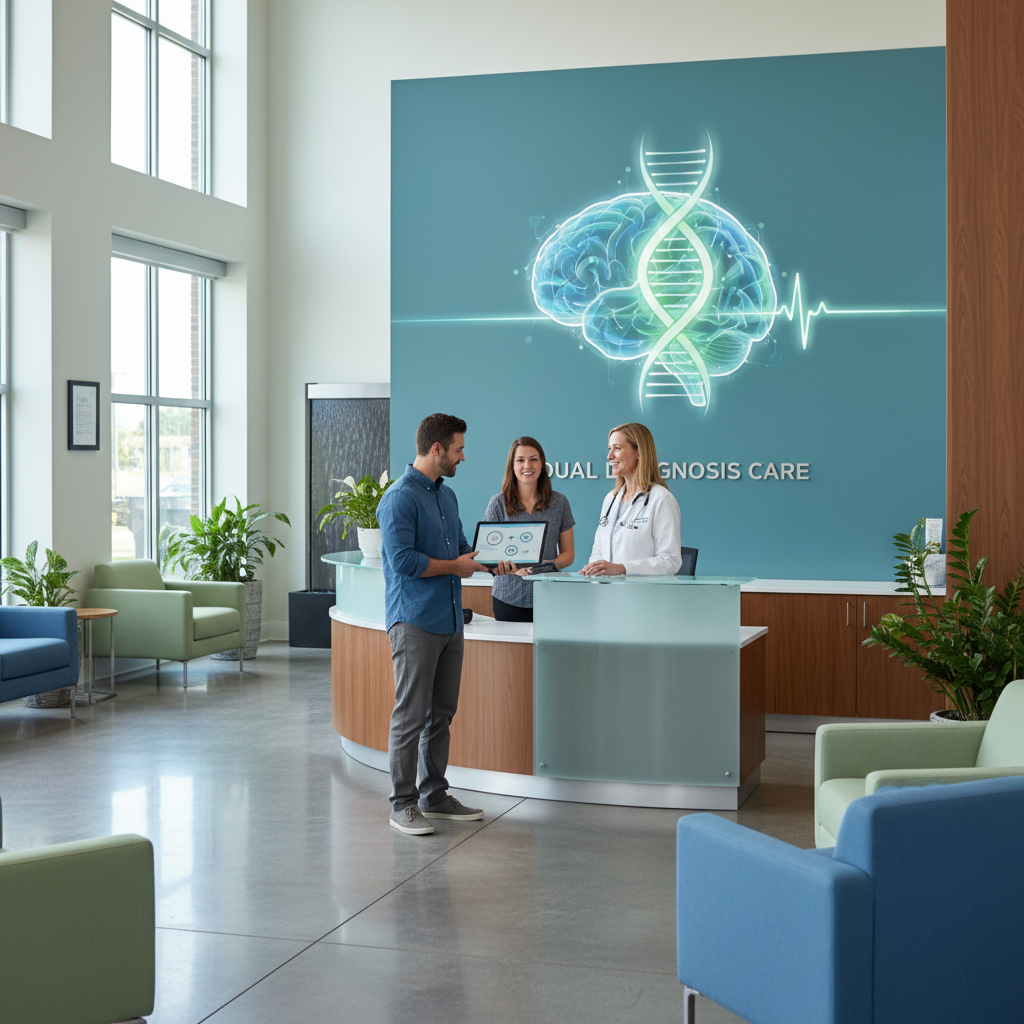
Understanding what a clinical addiction treatment center offers
When you are living with addiction, it can be hard to know where to begin. A clinical addiction treatment center gives you a structured, medically informed place to start healing. Instead of trying to manage everything on your own, you work with a team that understands substance use, mental health, and the realities of daily life.
In a clinical setting, addiction is treated as a medical and behavioral health condition, not a personal failure. This approach is especially important when you are struggling with stimulant use, prescription medications, or polysubstance patterns that affect your mood, sleep, and overall stability.
Clinical addiction treatment centers use:
- Evidence based therapies
- Medical and psychiatric oversight
- Individualized treatment plans
- Ongoing relapse prevention and aftercare
This kind of structure is particularly helpful when you need comprehensive help but cannot or do not want to enter residential care. A well designed drug recovery program outpatient can give you intensive support while you keep attending work, school, or caring for family.
At the same time, many people who need help never receive it. In 2023, about 70 million Americans struggled with substance use, yet 95 percent of those who needed drug rehab did not get care, which shows how many people are still navigating this alone [1]. Choosing a clinical addiction treatment center is a way to step out of that isolation and into coordinated, professional support.
Outpatient vs inpatient care
A key decision in your recovery journey is whether you need inpatient or outpatient treatment. Understanding the differences can help you choose the level of structure and support that fits your situation.
What inpatient treatment involves
Inpatient or residential rehab means you live at the facility for a period of time. Your days follow a structured schedule of individual therapy, group sessions, education, and sometimes family work. Residential programs are often recommended if:
- Your substance use is severe or has escalated quickly
- You have a history of dangerous withdrawal symptoms
- You have had multiple relapses after previous treatment
- Your home environment is highly unstable or unsafe
Research suggests that for people with high severity alcohol use disorder, inpatient care followed by outpatient treatment can lead to more days abstinent in the first six months than outpatient treatment alone, although this difference decreases over longer follow up [2]. Other studies have found that inpatients are more likely to complete treatment and may drink less in the year after care compared to people treated entirely as outpatients [2].
However, inpatient treatment is not always required and is not always safer. For many people, especially with opioid use, withdrawal can often be managed safely in outpatient or residential settings with proper medical oversight, particularly when slow medication tapers are used instead of rapid inpatient detox alone [2].
How outpatient rehab is different
An outpatient clinical addiction treatment center allows you to live at home and attend scheduled services during the day or evening. This can include:
- Structured therapy several times per week
- Medication management and psychiatric appointments
- Group sessions and skills training
- Urine drug screens and accountability measures
Outpatient community detox for alcohol has been shown to have similar safety outcomes to inpatient detox, and in some cases better short term completion and abstinence rates [2]. For many people, this means you can receive safe, effective care without leaving your home environment.
You may be a good candidate for a structured outpatient rehab program if:
- You are medically stable and do not require 24 hour monitoring
- You have some level of support at home or in your community
- You are able to attend sessions consistently
- You are motivated to change and can manage basic daily responsibilities
If you are unsure which level of care you need, a comprehensive addiction assessment helps clarify whether outpatient care is appropriate or whether you would be safer starting in a higher level of support.
How levels of outpatient care are structured
Outpatient treatment is not one size fits all. Clinical addiction treatment centers usually offer a continuum of care so your treatment can be increased or stepped down as your needs change.
Intensive outpatient and partial hospitalization
An intensive outpatient drug rehab program or intensive outpatient drug program typically includes:
- 3 to 5 days per week of services
- 3 or more hours of programming per day
- A mix of group therapy, individual counseling, and education
- Ongoing drug and alcohol testing when clinically indicated
This level of structure is useful if you have significant symptoms but still want to sleep in your own bed and remain engaged with your responsibilities. Partial hospitalization programs often involve even more daily hours and can serve as an alternative to inpatient care in some situations.
Standard outpatient treatment
As you stabilize, you may move to standard outpatient care. This often involves:
- Weekly individual therapy
- One or more weekly groups
- Periodic sessions with a psychiatrist or prescribing clinician
- Regular review of your relapse prevention plan
Standard outpatient care can continue for months or longer. It is especially important for people with stimulant or prescription drug issues who often benefit from longer term evidence based drug treatment and monitoring, rather than a brief, fixed program.
Throughout these levels, your team should be adjusting your plan based on your progress, risks, and goals rather than a rigid calendar.
Why a comprehensive assessment matters
Your experience with addiction is personal. A thorough assessment is the starting point for tailoring treatment instead of handing you a generic plan.
In a clinical addiction treatment center, a comprehensive addiction assessment often explores:
- Substances used, patterns, and history
- Medical conditions and medications
- Mental health symptoms and past diagnoses
- Family history and social supports
- Work, school, and legal concerns
- Past treatment experiences and what has or has not helped
Organizations such as the National Association of Addiction Treatment Providers emphasize that quality centers take detailed medical and psychosocial histories to identify the correct level of care, rather than focusing mainly on financial information or quick screenings [3].
This careful assessment is especially critical if you have stimulant, prescription drug, or polysubstance use, since combinations of medications, sleep problems, mood swings, and anxiety can make your presentation complex. The goal is to identify not only how substances are affecting you, but also how mental health, trauma, or physical illness may be driving your use.
Individualized treatment planning for your needs
Once your assessment is complete, the clinical team will work with you to build a personalized treatment plan. Instead of a one dimensional focus on abstinence, your plan should address the full scope of your life.
In an outpatient drug addiction treatment clinic, your treatment plan may include:
- Frequency and type of therapy sessions
- Specific goals around substance use, mental health, and daily functioning
- Medications that may support your stabilization
- Family or partner involvement when appropriate
- Practical supports such as case management or referrals
High quality centers use evidence based therapies and update your plan as your situation evolves, rather than treating it as a one time document [1]. This flexibility is important when you are working on recovery in real time, balancing treatment with the pressures of work, caregiving, or school.
Integrating mental health and dual diagnosis care
Addiction rarely appears on its own. Anxiety, depression, bipolar disorder, PTSD, and other conditions often play a significant role. When you are dealing with both mental health symptoms and substance use, you need care that treats them together instead of in separate silos.
This is where structured dual diagnosis care becomes crucial. A clinical addiction treatment center that offers drug rehab with mental health services can:
- Provide psychiatric evaluation and ongoing medication management
- Help you understand how your symptoms and substance use affect each other
- Coordinate your therapy and medications so they work in the same direction
- Adjust treatment as your mental health changes over time
If you have been told you have a dual diagnosis, or if you suspect that you might, a dual diagnosis drug treatment program gives you a more integrated path forward. This can significantly reduce the risk of relapse, since untreated depression or anxiety is a common trigger for returning to use.
Specialized care for stimulant, prescription, and polysubstance use
Different substances create different challenges. A clinical addiction treatment center can tailor care to the specific drugs you use, your health history, and your risks.
Stimulant use disorders
If you are using methamphetamine, cocaine, or prescription stimulants non medically, a stimulant addiction treatment program can focus on:
- Managing extreme highs and crashes in mood and energy
- Addressing sleep disruption and appetite changes
- Treating anxiety, paranoia, or depression that may follow heavy use
- Building routines and coping skills to reduce cravings
Behavioral therapies are a core component of effective stimulant treatment, since there are no widely approved long term replacement medications for these drugs in the way there are for opioids or nicotine [4].
Prescription drug misuse
Prescription medications can be particularly difficult to address because they often begin as a legitimate treatment. In a prescription drug addiction treatment track, your team works to:
- Evaluate your current prescriptions and how you use them
- Coordinate with your other medical providers if needed
- Manage withdrawal safely, especially for benzodiazepines or opioids
- Identify safer alternatives for pain, sleep, or anxiety when appropriate
Medication Assisted Treatment, or MAT, is frequently used for opioid addiction involving medications like heroin, fentanyl, or pain pills. MAT combines medications with counseling and behavioral therapies to reduce cravings and withdrawal and is considered an evidence based standard of care [5].
Polysubstance patterns
If you often mix substances like alcohol, stimulants, opioids, or sedatives, your brain and body are under complex stress. A polysubstance abuse treatment program focuses on:
- Identifying your most risky combinations
- Prioritizing safety in withdrawal and detox planning
- Clarifying how each substance fits into your routines and emotional life
- Addressing the mental health conditions that may be driving complicated use
Polysubstance patterns can raise your risk of overdose and medical complications. Clinical addiction treatment centers are designed to assess these risks and build a plan that considers your full substance picture, not just one drug at a time.
Evidence based therapies and the therapeutic relationship
Your recovery is shaped not just by what therapies you receive, but also by how safe and understood you feel with your providers. Research points to behavioral therapies and a strong therapeutic alliance as key ingredients in successful treatment.
Behavioral therapies used in outpatient care
Evidence based behavioral therapies are central to most clinical addiction treatment centers. These may include:
- Cognitive behavioral therapy to change unhelpful thoughts and behaviors
- Motivational interviewing to strengthen your internal motivation to change
- Contingency management to reinforce sobriety with tangible rewards
- Relapse prevention therapy to identify and manage high risk situations
These approaches have been studied extensively and are considered standard in quality evidence based drug treatment programs [4].
Some centers also incorporate holistic therapies, such as yoga, meditation, or creative arts, as adjuncts to core behavioral care, which can support emotional regulation and stress management [6].
Why the therapeutic alliance matters
The therapeutic alliance is the trust, respect, and open communication between you and your therapist. It is one of the strongest predictors of positive outcomes in addiction treatment, sometimes even more important than the specific therapy model used [5].
In practice, this means:
- You feel heard and not judged
- You can talk honestly about setbacks
- Your therapist collaborates with you on goals
- You feel safe enough to explore difficult experiences
A clinical addiction treatment center should prioritize this kind of relationship across the team, from your therapist to your psychiatrist and case manager. When you feel connected and respected, it is much easier to stay engaged, even when treatment is challenging.
Quality care is not only about protocols and checklists. It is about feeling like you have a committed, professional team walking with you, not talking at you.
The role of psychiatric and medical services
Addiction affects both body and mind. Clinical addiction treatment centers are designed to address both, often under one roof.
You may have access to:
- Psychiatric evaluation to clarify diagnoses and medication needs
- Ongoing medication management appointments
- Medical visits for physical issues related to substance use
- Lab work and monitoring as needed
Medication Assisted Treatment is commonly part of care for opioids and alcohol. For opioid use disorders, medications such as methadone or buprenorphine can reduce withdrawal symptoms and cravings and are often combined with counseling. For alcohol, medications such as naltrexone can decrease the urge to drink and support long term recovery [7].
Programs like the Drug Treatment Center at the University of Maryland show how outpatient clinical hubs can offer daytime opioid treatment, MAT, counseling, and relapse prevention while coordinating with other providers through a hub and spoke model [8]. This kind of integrated approach is what you should look for in a modern outpatient clinical addiction treatment center.
Building skills through relapse prevention and recovery planning
Recovery is more than stopping substance use. It is learning to live differently, even when stress, cravings, or difficult emotions show up. Structured relapse prevention is one of the best ways to support this change.
In a relapse prevention therapy program, you work on:
- Identifying personal triggers and high risk situations
- Developing coping skills for cravings and emotional distress
- Planning how to handle slips or near misses
- Building a support network that fits your life
- Creating a realistic, step by step recovery plan
Relapse rates for substance use disorders are often compared to other chronic conditions, with estimates around 40 to 60 percent [9]. This does not mean treatment fails. Instead, it shows that addiction is a long term condition, and that aftercare, monitoring, and adjustments to your plan are essential.
Quality clinical addiction treatment centers recognize this and often provide or connect you with:
- Ongoing outpatient therapy after more intensive phases
- Recovery support groups
- Alumni or peer programs
- Regular check ins with your treatment team
Centers that offer longer term care and continuous monitoring tend to see better outcomes, since treatment can be adjusted over time rather than ending abruptly after a short stay [1].
Admissions, confidentiality, and insurance
Taking the first step toward treatment can feel overwhelming, especially when you are concerned about cost, privacy, and what to expect.
Confidential and supportive admissions
Clinical addiction treatment centers are required to follow strict confidentiality laws. Your conversations, records, and participation are protected. Many centers also offer specialized services that respect diverse needs, such as programs with staff fluent in American Sign Language for Deaf and hard of hearing individuals, as seen at Deaf Addiction Services at Maryland [8].
When you contact a center, you can expect:
- A confidential conversation about your situation
- Basic screening to determine appropriate next steps
- Information about program options and schedules
- Help coordinating logistics if you decide to enroll
If you need immediate help or do not know where to start, the Substance Abuse and Mental Health Services Administration (SAMHSA) operates a free, confidential, 24/7 national helpline that can connect you to local treatment resources [10].
Using insurance and understanding costs
Cost is a major barrier for many people. Prices vary widely, from free or low cost community programs to luxury residential centers that charge thousands of dollars per day [11].
Outpatient clinical addiction treatment centers are generally more affordable than inpatient programs because housing and constant medical supervision are not required. Many centers:
- Participate in insurance networks
- Offer sliding scale fees or financial aid
- Provide payment plans
Most individual and small employer health plans, as well as plans sold on the Health Insurance Marketplace, are required under the Affordable Care Act to cover addiction treatment services, including behavioral therapies [5]. An insurance covered drug rehab can help you understand your benefits, estimate out of pocket costs, and verify whether they are in network.
When you evaluate a clinical addiction treatment center, it can help to ask:
- Are you licensed by the state for all levels of care you provide
- Do you have accreditation from organizations such as CARF or The Joint Commission
- Are you in network with my insurance plan
- How do you handle assessments and individualized treatment planning
Industry groups caution against choosing centers that offer free travel, unsolicited referrals, or vague promises of no cost with insurance, since these can signal unethical practices or insurance fraud [3].
Taking your next step toward healing
If you are considering outpatient help for stimulant, prescription drug, or polysubstance use, a clinical addiction treatment center can provide a structured, medically informed path forward. You do not have to manage assessment, therapy, medications, and relapse prevention on your own.
Whether you begin with a structured outpatient rehab program, a specialized stimulant addiction treatment program, or a dual diagnosis track that combines drug rehab with mental health services, you are making a choice to put trained support around you.
You can start by:
- Scheduling a comprehensive addiction assessment
- Exploring a drug addiction treatment clinic that aligns with your needs
- Asking about an intensive outpatient drug program if you want more structure without residential care
Clinical addiction treatment centers exist because recovery is possible, and you deserve professional, compassionate, and evidence based care while you work toward it.