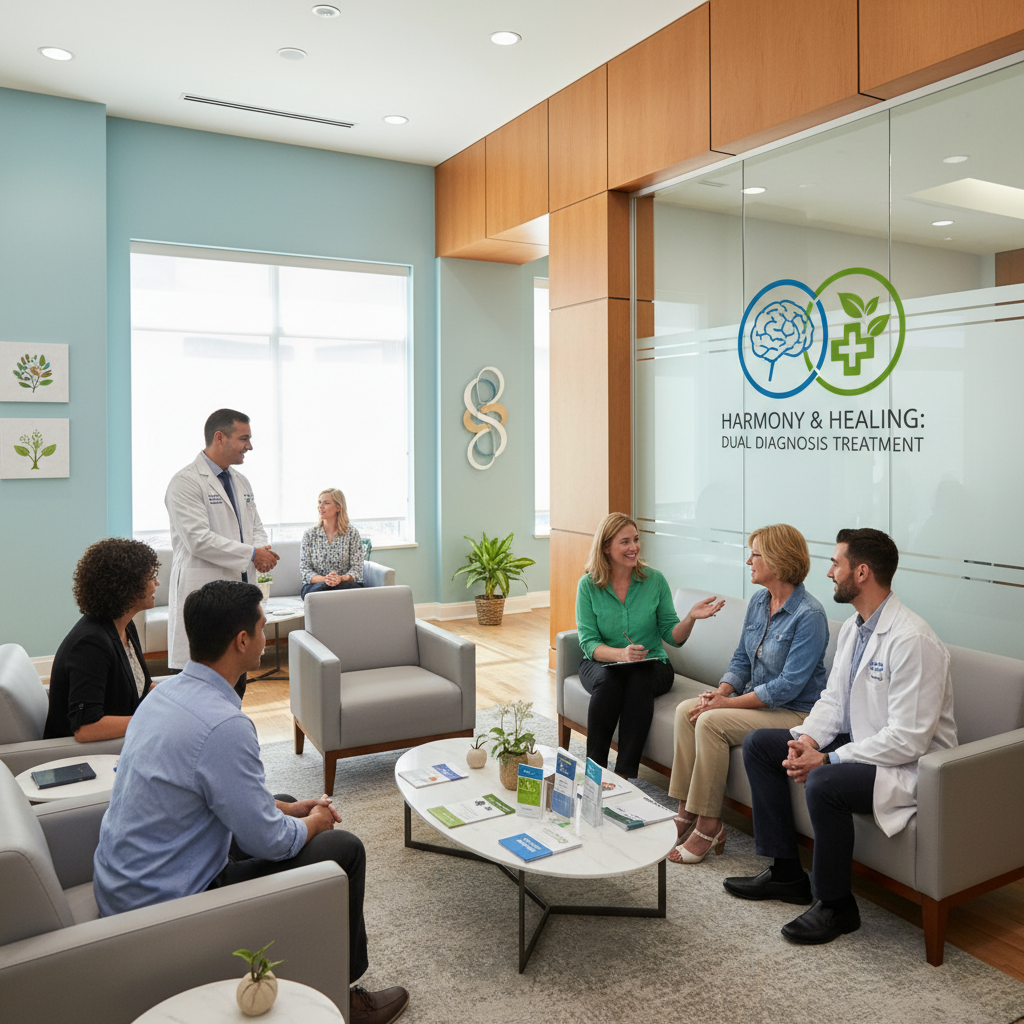
Understanding how a drug addiction treatment clinic works
When you turn to a drug addiction treatment clinic, you are not just signing up for appointments. You are entering a structured system designed to help you stabilize, understand what drives your use, and build a plan for lasting change that fits your life.
In a modern outpatient setting, care is individualized. You work with clinicians who understand stimulant, prescription, and polysubstance addiction, and who know how mental health conditions and substance use interact. Treatment typically blends therapy, medication support when appropriate, and ongoing relapse prevention so you can keep working, studying, and caring for your family without residential admission.
At its best, a drug addiction treatment clinic gives you two things at the same time: clinical structure and genuine hope. You gain a clear roadmap, and you do not have to walk it alone.
Outpatient vs inpatient care
Before you choose a program, it helps to understand how outpatient rehab compares to inpatient care and who is a good fit for each level of support.
Key differences in setting and structure
Inpatient rehab involves living at a facility for a set period, such as 30 to 90 days. Your days are highly structured, you are in a drug free environment 24 hours a day, and staff monitor you closely. This is often recommended if you are medically unstable, at high risk of severe withdrawal, or living in a home environment that is not safe for recovery.
Outpatient care keeps you living at home while you attend treatment several times a week. You might participate in a structured outpatient rehab program or an intensive outpatient drug program that offers multiple therapy sessions on set days and times. You continue to work or study, but your schedule includes consistent treatment blocks for therapy, skills training, and psychiatric follow up.
An effective drug addiction treatment clinic typically offers more than one level of outpatient care so that services can match your current stability, support network, and risk of relapse.
Who outpatient rehab is usually right for
Outpatient rehab can be a strong option if you:
- Have mild to moderate withdrawal risks that can be safely managed without 24 hour monitoring
- Live in a reasonably stable and supportive home or can access sober housing
- Are motivated to change and can commit to attending sessions reliably
- Need to balance treatment with work, school, parenting, or caregiving responsibilities
- Are stepping down from inpatient or residential care and want continued support
If you are not sure which level of care you need, a clinic can guide you through a comprehensive addiction assessment to determine whether outpatient is appropriate or whether you need a higher level of support first.
Beginning with assessment and diagnosis
The first step in a quality drug addiction treatment clinic is always assessment. This is where you and your care team establish a clear picture of what you are dealing with, both medically and emotionally.
What to expect in a comprehensive intake
You typically start with an intake appointment that may last one to two hours. During this time, clinicians will:
- Review your substance use history, including types of drugs, patterns, and any prior treatment
- Ask about physical health conditions, current medications, and previous hospitalizations
- Explore your mood, anxiety, sleep, and any past diagnoses such as depression, PTSD, or ADHD
- Discuss your home environment, relationships, work or school, and sources of stress
- Screen for self harm risk and safety concerns, including overdose history
This process is similar in depth to a comprehensive addiction assessment. It is detailed on purpose, because your answers guide every part of your treatment plan.
Identifying dual diagnosis needs
If you are living with a mental health condition as well as substance use, you are not alone. Many people in addiction treatment have co occurring disorders. A dual diagnosis means both issues are present, and both deserve direct attention.
A strong clinic will screen carefully for:
- Depression and bipolar disorder
- Anxiety and panic disorders
- Trauma and post traumatic stress
- ADHD and other attention related conditions
- Personality disorders and chronic mood instability
When these concerns are identified, you can be matched with a drug rehab with mental health services or a dedicated dual diagnosis drug treatment track. This integration matters because treating only the substance use without addressing mood, trauma, or attention difficulties often leads to relapse.
Building an individualized treatment plan
Once assessment is complete, you and your care team translate what you learned into a written plan. This plan is specific to you. It outlines what will happen in treatment, how often, and with whom.
Aligning care with your substances and patterns
Your treatment plan typically reflects the substances you use and how they affect your life. For example, if you are primarily struggling with cocaine or methamphetamine, you might enter a stimulant addiction treatment program that focuses on cravings, sleep, and the emotional crash that often follows stimulant use.
If prescription medications such as opioids, benzodiazepines, or stimulants are your primary concern, a prescription drug addiction treatment track may address both pain and anxiety management, withdrawal planning, and alternative strategies for the conditions those medications were originally prescribed to treat.
For many people, more than one substance is involved. In that case, a polysubstance abuse treatment program can help you understand the interactions between different drugs and build a recovery plan that addresses all of them rather than focusing on just one.
Setting goals and defining your schedule
An individualized plan usually includes:
- Clear goals, such as reducing or stopping certain substances, improving mood, or repairing relationships
- A weekly schedule of group and individual therapy sessions
- Psychiatric appointments for medication evaluation and follow up
- Drug and alcohol testing when appropriate
- Family or partner sessions if you and your clinician decide they would help
Your plan is not static. As you make progress or encounter new challenges, your team revisits and adjusts it. This may mean stepping up to more frequent visits for a while, or graduating to a lighter drug recovery program outpatient schedule as your stability grows.
Outpatient levels of care and weekly structure
Different outpatient programs offer varying intensities of support. Understanding these options helps you choose a drug addiction treatment clinic that truly matches your needs.
Intensive outpatient programs (IOP)
An intensive outpatient program typically represents the highest level of outpatient care. It often involves:
- Three to five treatment days per week
- Two to three hours of programming per day
- A combination of group therapy, skills classes, and individual sessions
- Regular check ins with a psychiatrist or prescribing clinician
This type of outpatient drug rehab program can be especially useful if you are early in recovery, have recently completed detox or inpatient treatment, or are living with complex dual diagnosis needs. You get structure and frequent contact without staying overnight.
Standard outpatient services
As your stability increases, you may transition to a standard structured outpatient rehab program. This often includes:
- One to three days of treatment per week
- Individual therapy once a week or every other week
- Weekly or biweekly group sessions
- Ongoing medication management and check ins
This level still offers accountability and support, but with more flexibility. It can fit around work schedules or family responsibilities more easily while maintaining a consistent focus on your recovery.
Flexible aftercare and step down
After structured treatment phases, many clinics operate less intensive aftercare groups or recovery check ins. These might be monthly or biweekly meetings where you:
- Review your relapse prevention plan
- Talk through new stressors or triggers
- Adjust medications if needed
- Stay connected with a supportive clinical team
This step down structure helps you avoid the common pattern of feeling supported during intensive treatment, then suddenly navigating recovery alone when the program ends.
Core therapies and evidence based treatment
Effective outpatient clinics build their programs on therapies that have been studied and shown to help people reduce or stop substance use. This is often referred to as evidence based drug treatment.
Behavioral therapies as the foundation
Behavioral therapy is one of the most common and well researched forms of addiction treatment. These approaches help you understand the connection between thoughts, emotions, and actions so you can change patterns that keep you stuck in substance use. They also build skills for coping with cravings, managing stress, and preventing relapse [1].
Common modalities include:
- Cognitive behavioral therapy, which helps you identify and reframe unhelpful thoughts and develop healthier responses to triggers
- Dialectical behavior therapy informed approaches, which focus on emotion regulation, distress tolerance, and interpersonal effectiveness
- Motivational interviewing, which helps you resolve ambivalence and strengthen your own reasons for change
In a strong clinical addiction treatment center, these therapies are woven into both individual and group sessions. Treatment is not just about telling your story. It is also about learning and practicing new ways of responding to life.
Group therapy and peer connection
Group therapy is a central part of many outpatient programs. In groups, you can:
- Hear from others who are facing similar challenges
- Practice communication and boundary setting skills
- Work through shame and isolation by realizing you are not alone
- Receive feedback and encouragement from peers
Clinics often organize groups around specific themes such as relapse prevention, coping with cravings, trauma, or living with both mental health and substance use conditions. This structure helps you explore relevant topics in depth rather than speaking in general terms.
Medication assisted and psychiatric care
For some people, medication is an important part of safe and effective recovery. A comprehensive drug addiction treatment clinic will evaluate whether medication assisted treatment and ongoing psychiatric care are appropriate for you.
Medications that support recovery
Medication assisted treatment, often called MAT, uses carefully chosen medications to reduce withdrawal symptoms and cravings for substances such as opioids and alcohol. These medications are usually combined with counseling and behavioral therapies for a comprehensive approach to care [1].
In outpatient settings, medication plans may include:
- Anti craving medications for alcohol or opioid use as recommended by an addiction psychiatry provider
- Medications to support sleep, mood, or anxiety during early recovery
- Careful tapering plans if you are coming off certain prescription medications
Programs such as the Mayo Clinic Intensive Addiction Program illustrate how anti craving medications can be integrated with daily therapy and education to support long term change [2].
Integrated psychiatric support for dual diagnosis
If you have a co occurring mental health condition, psychiatric oversight is especially important. In a dual diagnosis program, your prescribing clinician and therapists coordinate care so that:
- Medications for depression, anxiety, PTSD, or ADHD are chosen with your substance use history in mind
- Doses are monitored and adjusted as your recovery progresses
- You can report side effects or concerns promptly in therapy and medical appointments
- The team can distinguish between medication effects, withdrawal, and symptoms of your underlying conditions
This integration reduces the risk that untreated mental health symptoms will push you back toward substance use as a way to cope.
When addiction and mental health are treated together, you are not forced to choose between stabilizing your mood and staying sober. Both goals become part of the same plan.
Relapse prevention and long term planning
A high quality drug addiction treatment clinic does not only focus on short term stabilization. From early in treatment, your team will work with you to identify relapse risks and build a plan to navigate them.
Learning concrete relapse prevention skills
Relapse rates after treatment for drug and alcohol use are often estimated at 40 to 60 percent, which is similar to other chronic illnesses such as hypertension and diabetes [3]. This does not mean recovery is hopeless. It means addiction is a chronic condition that responds best to ongoing management and support.
In a structured relapse prevention therapy program, you will:
- Map out your personal warning signs and triggers
- Develop specific coping strategies for high risk situations
- Practice refusal skills and boundary setting
- Create a written plan for what to do if you slip or relapse
Clinicians will emphasize that a lapse does not erase progress. Instead, it becomes information that can guide adjustments to your plan.
Coordinating continuing care and supports
Sustaining change after treatment often involves linking you to ongoing supports. Your clinic may:
- Help you identify local self help or peer support groups such as 12 step, SMART Recovery, or other community based options
- Provide or refer you to ongoing individual therapy once you complete your main program
- Coordinate care with your primary care provider or psychiatrist
- Offer periodic follow up calls or appointments, similar to how Mayo Clinic tracks progress with follow up contact after residential care [2]
This layered approach reduces the sense of being cut off from support once your primary program ends.
Insurance, affordability, and access to care
Concerns about cost and coverage are common when you are considering treatment. A reputable drug addiction treatment clinic will help you navigate these questions from the beginning.
Understanding insurance coverage for treatment
Most insurance carriers, including many individual, small employer, and marketplace plans, are required under the Affordable Care Act to cover addiction treatment and behavioral health services to some extent [1]. Coverage details differ by plan, but often include:
- Outpatient therapy and counseling
- Medication management and psychiatric visits
- Some types of intensive outpatient or partial hospitalization programs
- Approved addiction medications
Many clinics, similar to Oxford Treatment Center, have admissions or financial navigators who can verify your benefits, explain your options, and discuss payment arrangements if needed [4]. You can also explore an insurance covered drug rehab to reduce out of pocket costs.
Addressing the gap between need and treatment
Despite expanded coverage, a large majority of people who could benefit from treatment still do not receive it. In 2023, more than 95 percent of people in the United States who needed drug rehab treatment did not access services [3]. Reasons often include stigma, fear of judgment, confusion about where to start, and worry about cost.
Knowing this does not fix the problem on its own, but it may help you recognize that hesitation is common. You are not alone if you feel uncertain. Reaching out to a clinic to ask questions about an outpatient drug rehab program or to explore a clinical addiction treatment center is a practical first step, not a commitment you cannot change.
Taking your next step toward help
If you are living with stimulant, prescription drug, or polysubstance addiction and you need robust support without leaving home, an outpatient drug addiction treatment clinic can offer structure, clinical expertise, and a path forward that respects your responsibilities.
You can start by:
- Scheduling a comprehensive addiction assessment to clarify your needs
- Asking about a dual diagnosis drug treatment track if you are also managing mental health concerns
- Exploring a stimulant addiction treatment program or prescription drug addiction treatment if those match your primary substances
- Reviewing options for an intensive outpatient drug program or a step down drug recovery program outpatient level
Treatment is not about meeting someone else’s idea of success. It is about working with a team to define what healing looks like for you, then building practical, evidence based steps to get there.